Attic, crawl space, and air sealing specialists serving the 6-county Denver metro. Our insulation services are engineered for Colorado’s freeze and thaw cycles, so your home holds its temperature through January wind and July heat. We handle Xcel Energy rebates in-house, and most homeowners save up to $2,250.


Accredited

Certified

Google Rating

Neighborhood Fave

& Insured
We don’t just install insulation and leave. We engineer comfort and handle every rebate from start to finish, so you get the savings without the paperwork. As a home insulation company owned and staffed here in the metro, we are one of the few insulation contractors Colorado homeowners can reach directly, with no call center in between.
Most homeowners save up to $2,250. We submit, track, and close every claim you don’t fill out a single form.
Denver-based crews who understand Colorado homes, climate, and code requirements from Broomfield to Douglas County.
Flat pricing, honest recommendations, and clear proposals. No gimmicks, no “today only” tactics. Ever. You get a written number before anyone touches your attic.
We don’t just install insulation and leave. We engineer comfort and handle every rebate from start to finish — so you get the savings without the paperwork.
Xcel Energy rebates average $2,250. We submit, track, and close every claim in-house — you don’t fill out a single form.
Seven specialties. One expert crew. From attics to crawl spaces, we handle Colorado’s full insulation system. Working with a single residential insulation contractor keeps the scope, the schedule, and the rebate paperwork in one place instead of spread across three trades.
We’re authorized Xcel contractors. We audit your home, submit every rebate, and handle the entire process while you pocket up to $2,250 back. Xcel insulation rebates are one of the largest savings programs open to Colorado homeowners, and we file them for you as part of the job.
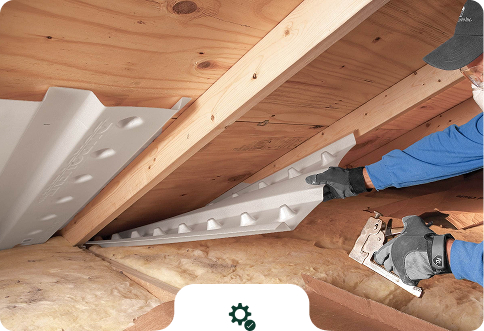
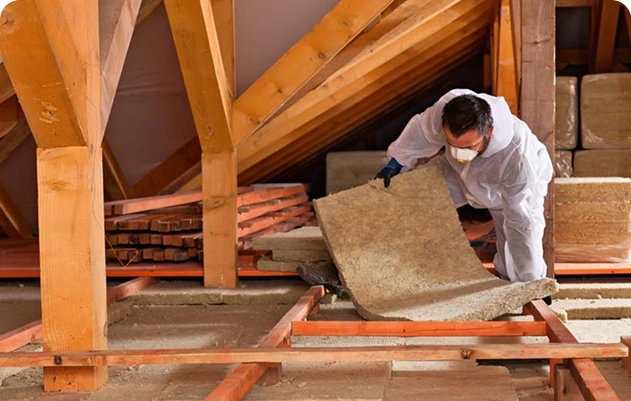
Improve comfort and reduce heat loss with properly installed attic insulation, sized to the R-value Colorado homes actually need.
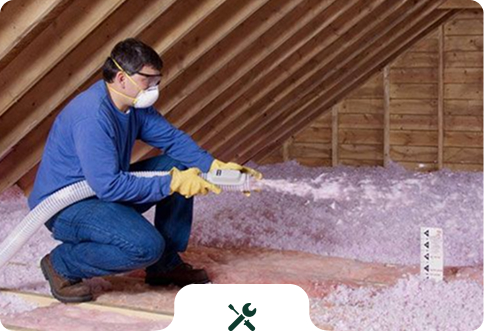
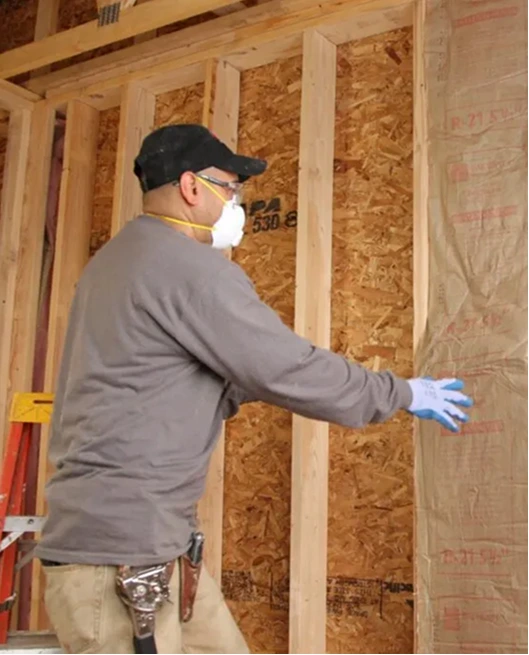
Fast, efficient insulation that fills gaps and boosts energy efficiency in walls and hard-to-reach cavities.
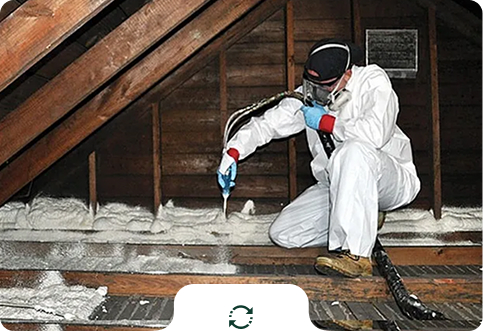
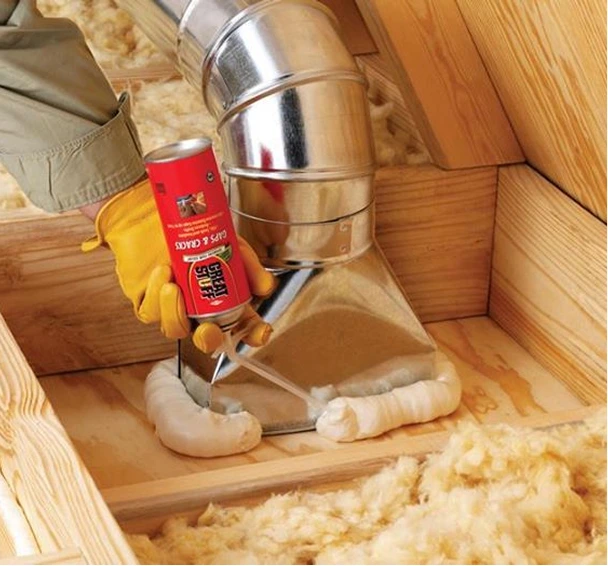
Stop drafts and energy leaks by sealing key areas throughout your home before new insulation goes in.
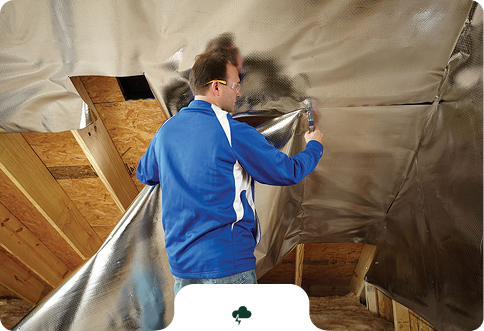
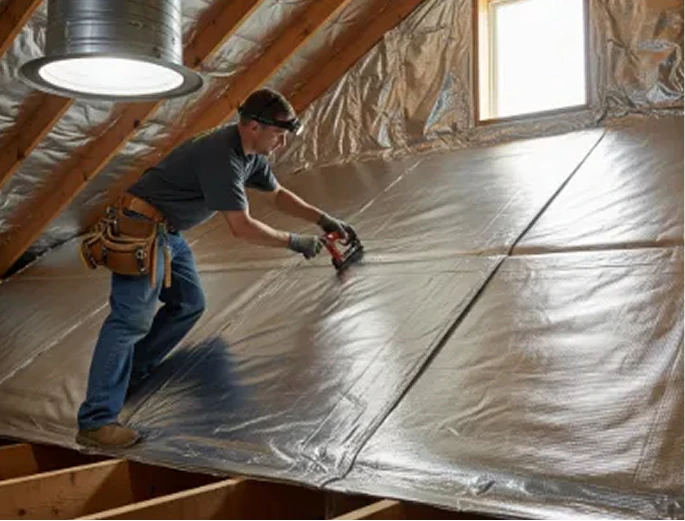
Reflect heat away from your home to keep temperatures stable year-round, especially through long Front Range summers.
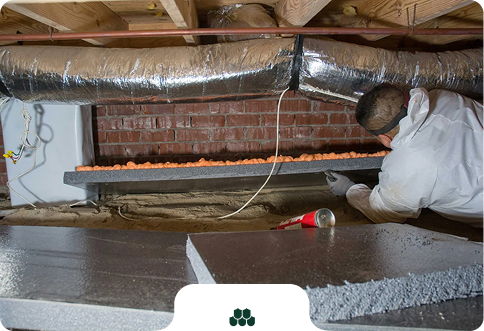
Protect your home from moisture, cold floors, and energy loss under the house where heat quietly escapes.
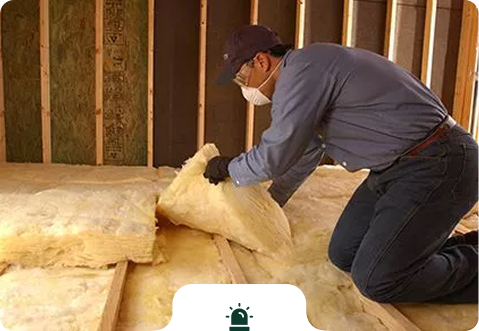
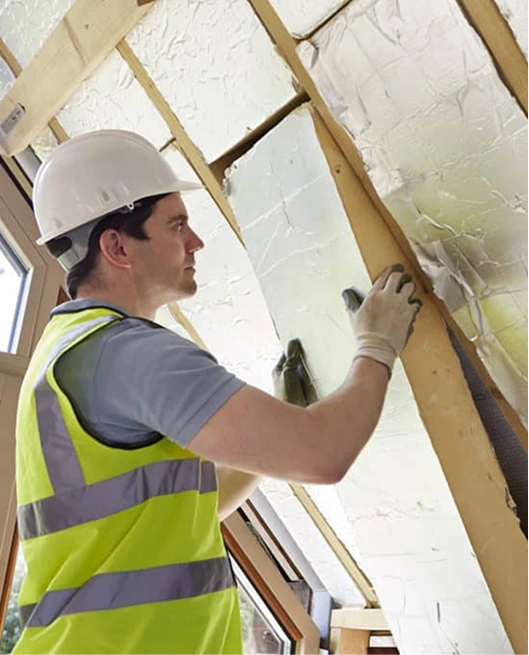
Reliable insulation solution for walls, floors, and new construction, fitted to each cavity with no gaps or compression.
From Highlands Ranch to Thornton, Golden to Parker, we serve 40+ cities across six counties with the same crews, same quality, and same rebate expertise. Homeowners choose us as their Denver insulation company because the team that quotes the job is the team that shows up to do it.
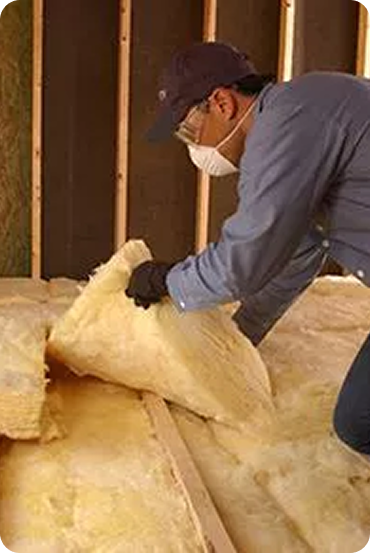
No surprises. No hassle. We guide you through every step and handle the paperwork so you don’t have to. Every visit is run by a professional insulation contractor who documents the work your rebate claim depends on.
We inspect your attic, crawl space, and insulation, then walk you through exactly what your home needs.
Clear scope, transparent pricing, and rebate savings explained upfront.
Most jobs are completed in a single day. We protect your home and leave it spotless.
We credit the full rebate directly on your invoice, so you receive the savings instantly.
We’ve insulated over 2,000 homes across the Denver metro. Here’s what homeowners are saying about working with a Colorado insulation company that lives and works in the same neighborhoods it serves.
Posted on Google
 Erik J
Trustindex verifies that the original source of the review is Google.
Josh and crew were great for my attic sealing and additional fiberglass blow in. He shared a quote by email before coming out to see my attic. Good communication. Crew was professional and cleaned up well. Thanks!Posted on Google Ross KelmanInsulation Nation was fantastic to work with! They showed up on time, were super polite, got the work done in about half the time allotted, and did a great job cleaning up afterwards. Also, despite making an error on his end when calculating the estimate, Josh stuck to the price he promised. Highly recommended!Posted on Google
 Wende LathamI highly recommend Josh's company, Insulation Nation. Josh made the process easy! He is integral, timely, and very conscientious. HIs crew was also outstanding: polite, hard working and non-intrusive. His was the lowest bid but the quality was top-notch. Thank you!Posted on Google
 James CWe just completed our second project with Insulation Nation. 2 years ago, they insulated and air sealed our crawl space and last week they air sealed and insulated our attic. Josh was great to work with from the get go on both projects with him being very prompt and communicative. The workers did a fantastic job on both projects too and they were both very reasonably priced. I would highly recommend hiring Josh and his teams! We'll go back to them for any future projects.Posted on Google
 Robert MarquezThe team was very friendly, very polite. They were willing to dive in and get the job done quickly and efficiently. Great team.Posted on Google
 dennis coutureJosh and his team did a GREAT job. Clean, Efficient, Professional and most of all cost competitive. You won't go wrong selecting Insulation Nation for your project.Posted on Google
 Maria TalamantesInsulation added to attic & crawl space encapsulated: great job with the work & communication; had 1 concern - it got immediately addressed! Josh very professional & knowledgeable! Thx!Posted on Google
 Teri FotheringhamIncredible customer service. Wonderful team here doing the install with minimal disruption to my home. Would definitely hire them again and will tell all my friends about them!Posted on Google
 Nicholas RichVery timely and professional company. They do a great job. I would highly recommend.Posted on Google
 Patty DolanDustin came out and verified the amount of insulation I currently had: R13 and current regulation state. It should be R60. He was able to send a crew out a few days later, and they were so polite, friendly, completed the job quickly and left no mess behind. I am absolutely thrilled that the back 1/3 of my home is actually warm now! Those rooms were about 15° cooler than the rest of my home. Thank you to the entire team!
Looking for a reliable insulation service? Contact our team anytime, and we’ll help you find the perfect solution. As a Denver insulation company with local crews, we can usually get your audit on the calendar within a few days.
Blow-in insulation, also called loose-fill, is ideal for retrofitting existing homes because it fills irregular spaces and hard-to-reach areas without major structural changes. It provides strong thermal coverage, reduces air gaps, and improves overall energy efficiency. It also helps with soundproofing and installs quickly with minimal disruption. Most homes feel the difference upstairs within the first season.
A professional energy audit evaluates how your home uses and loses energy. Using tools like thermal imaging and blower door tests, we identify problem areas such as air leaks, poor insulation, or inefficient systems. This helps you focus on the highest-impact upgrades first, which is how our home insulation services save money instead of guessing. You get a clear, prioritized plan tailored to your home.
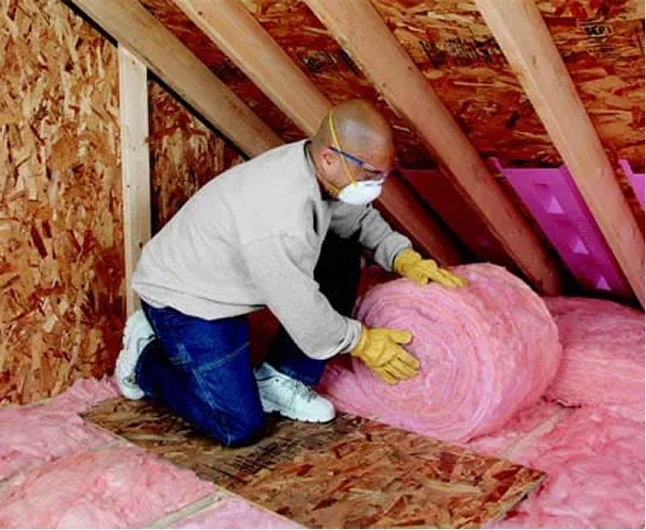
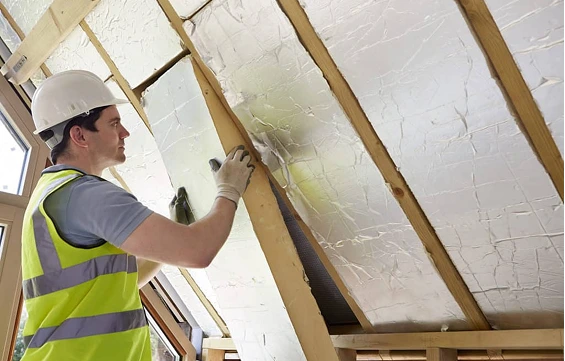
Batt insulation is best suited to open, accessible areas with standard spacing, such as wall studs, floor joists, and ceiling rafters. It is commonly used in new construction or major renovations where walls are exposed. It is a cost-effective and straightforward option when cavities are uniform and easy to reach. In both residential and commercial buildings, it is often installed in walls, attics, and floors.
Air sealing involves identifying and closing the gaps, cracks, and leaks where air escapes or enters your home. Key steps include inspecting problem areas such as attics, windows, doors, and ductwork, sealing leaks with caulk or foam, and keeping proper ventilation intact. It is recommended before adding insulation because insulation alone does not stop airflow. Sealing first ensures the insulation performs, which is the difference between a warm house and an expensive one.